

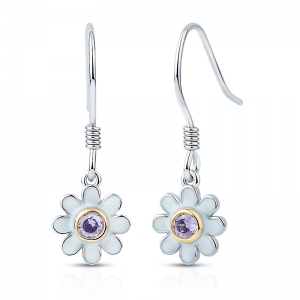
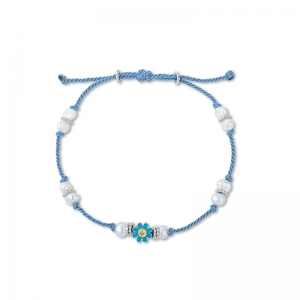
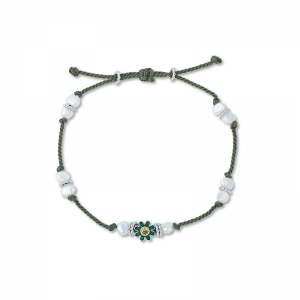
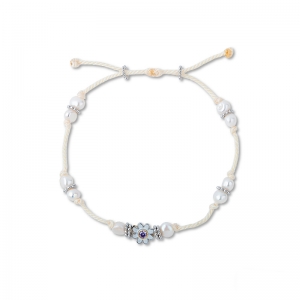
As demand for 925 sterling silver jewelry, anti tarnish silver jewelry, and premium silver jewelry continues to grow, more brands are paying attention to one important finishing process: rhodium plating.
Silver naturally reacts with moisture, sulfur, and air exposure over time. This is why some silver jewelry quickly turns dull or dark.
A high-quality rhodium finish creates a protective surface layer that helps slow oxidation and maintain long-term shine.
For many brands, this has become essential for improving customer experience and reducing after-sales maintenance issues.
Professional rhodium plated sterling silver jewelry typically has a brighter, cleaner, and more reflective finish than untreated silver.
However, plating quality depends heavily on pre-plating polishing, cleaning precision, and coating thickness.
Thin or uneven rhodium layers often wear off quickly, especially around edges and high-contact areas.
This is why experienced manufacturers focus heavily on surface preparation before plating begins.
Today’s consumers increasingly prefer jewelry that stays bright with minimal upkeep.
As a result, many jewelry brands are prioritizing hypoallergenic silver jewelry with stable anti-tarnish finishing and long-term wearability.
In modern silver jewelry manufacturing, rhodium plating is no longer just a decorative finish — it has become part of overall product quality and brand positioning.



 login
login register