

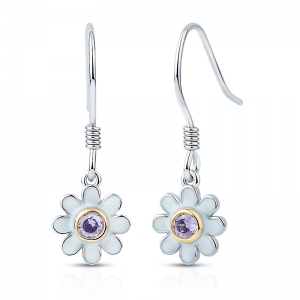
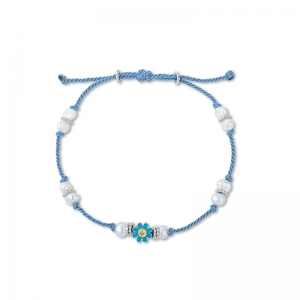
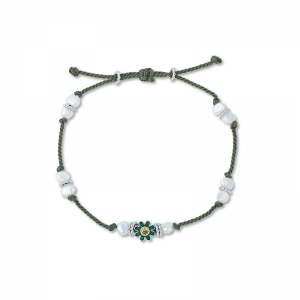
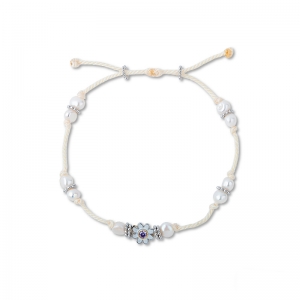
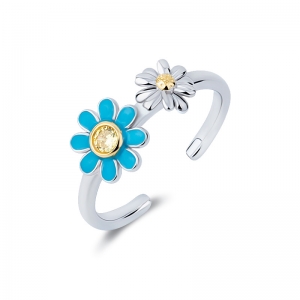
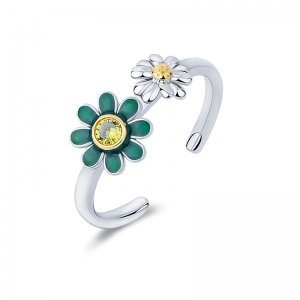
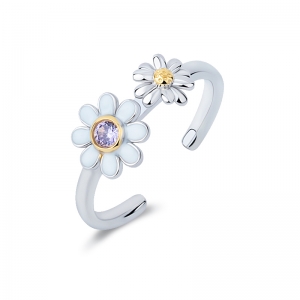
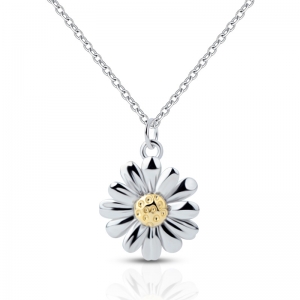
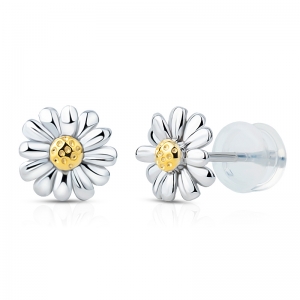
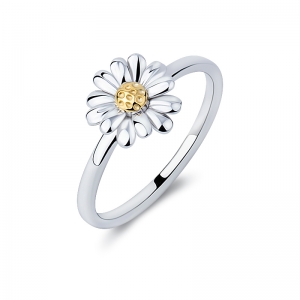
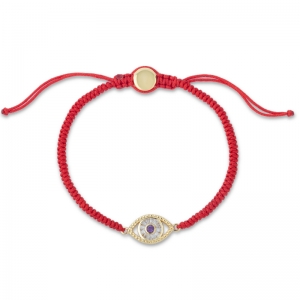
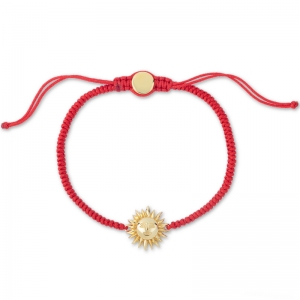
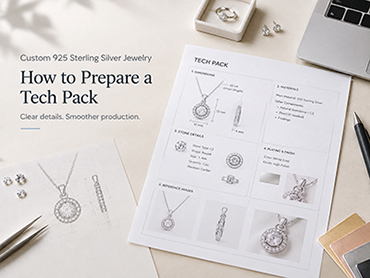
In custom 925 sterling silver jewelry development, a tech pack helps turn a design idea into clear production information. For buyers working with a jewelry manufacturer, a simple and organized tech pack can make CAD development and sampling easier. 1. Start With Key Dimensions Include measurements such as length, width, thickness, ring size, chain length, or pendant size. For stone-set pieces, ad...
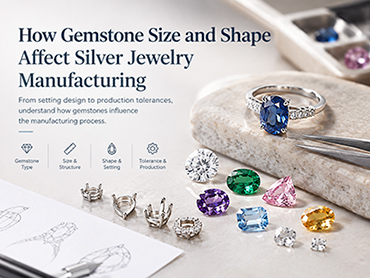
In silver jewelry manufacturing, gemstone selection is closely connected to setting design. The size, shape, and dimensional tolerance of a gemstone can affect the setting structure, silver requirements, production accuracy, and sampling process. For OEM and wholesale projects, discussing these details early can make product development much smoother. 1. Gemstone Type Affects Manufacturing Toleran...
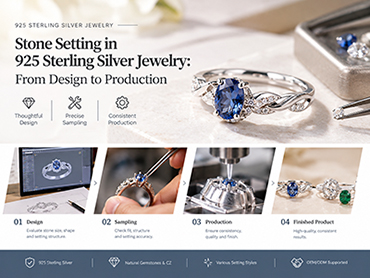
In 925 sterling silver jewelry manufacturing, stone setting is more than a finishing process. Stone size, shape, setting structure, metal thickness, and production method all need to be considered during product development. A design that looks balanced in CAD may still require adjustments during sampling before moving to bulk production. 1. Stone Setting Starts with the Design For natural gemston...
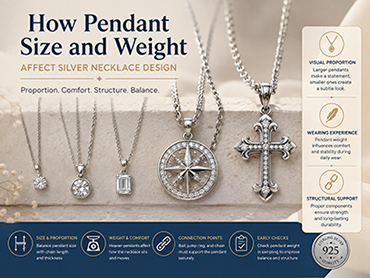
In silver necklace design, pendant size is more than a visual consideration. Its dimensions and weight can affect overall proportion, wearing comfort, chain selection, and the strength of the connection points. 1. Size Determines Visual Proportion A larger pendant naturally becomes the focal point, while a smaller pendant creates a lighter, more understated look. For a balanced necklace, pendant s...
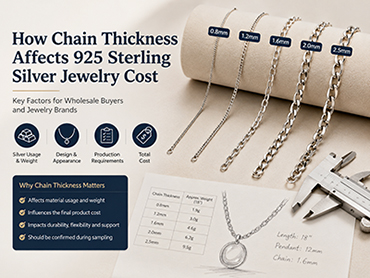
For 925 sterling silver jewelry buyers, chain thickness is more than a design choice. It can influence silver consumption, finished weight, product positioning, and production cost. Confirming the right specification early can help brands and wholesalers control costs while maintaining the intended look and function. 1. Thicker Chains Usually Mean Higher Material Costs For the same necklace length...
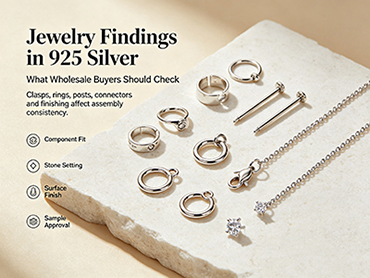
Findings may be small, but they are part of the working structure of a jewelry piece. Clasps, jump rings, ear posts, backs, and connectors affect how different components come together. For wholesale orders, checking these details during sampling can help keep the finished product consistent. 1. Check the Fit of Each Component Findings should match the size and construction of the jewelry. Before ...



 login
login register